manga scan english has become a pivotal part of global manga culture, providing fans worldwide with accessible and immediate access to their favorite stories. This practice of translating and distributing manga scanlations plays a significant role in shaping how manga is consumed outside Japan, often fostering a sense of community and shared passion among fans.
The Landscape of English Manga Scanlation: An Overview
The world of manga scanlation, especially in English, is a dynamic, complex ecosystem driven by passionate fan communities rather than traditional publishing models. Over the past two decades, this landscape has evolved from small, amateur clubs working out of bedrooms and online forums to larger, more organized groups with substantial resources. These groups scan, translate, edit, and upload manga chapters rapidly, often as soon as they are available in Japanese, making manga accessible to English-speaking audiences almost instantaneously. This rapid dissemination approach addresses the high demand for timely content but raises questions about sustainability, legality, and ethical considerations.
Notably, the growth of the English manga scan scene correlates with the explosion of internet use across the globe, especially among younger audiences. The lure of free content, combined with the desire for access before official translations become available, has led to a thriving underground community. However, the landscape is not without controversy—as scanlation communities operate in a legal gray area and often face pressure from publishers and copyright holders. Despite this, they continue to play a vital role in popularizing manga outside Japan and bridging cultural gaps through translation and localization efforts. The landscape remains fascinatingly fluid—driven by technological advances, community collaboration, and ongoing debates over ethics.
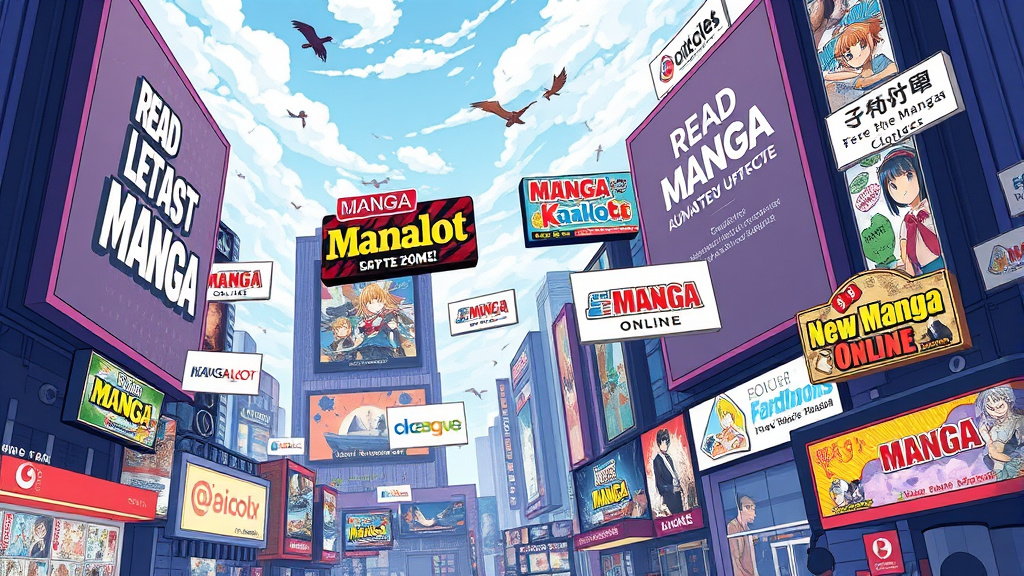
 Hình minh họa: manga scan english – read anime manga online free
Finding Quality English Manga Scans: Navigating the Options
Searching for high-quality manga scan english releases can sometimes feel overwhelming given the abundance of scanlation groups and platforms. The key is to identify sources that prioritize accurate translation, good editing quality, and reliable uploads. Many dedicated websites and forums serve as hubs where dedicated fans gather, review, and recommend trustworthy scanlation groups. It’s essential to distinguish between well-established groups with transparent practices and newer or less reputable ones that might cut corners or produce inconsistent translations.
Another creative way fans navigate these options is by leveraging social media, Discord servers, and Reddit communities which often curate top-tier scanlation releases. These gatherings foster discussions on translation quality, the fidelity of character voices, and the overall readability of translated works. While free access is a hallmark, consumers must balance desire for quick releases with a critical eye for quality and ethical considerations. Ultimately, seeking reputable communities that emphasize respectful translation and support ongoing projects can enhance the manga reading experience while navigating potential hazards like malware or poor translations.
Legality and Ethics of English Manga Scans: A Complex Issue
The legality of manga scan english occupies a gray zone deeply rooted in copyright law and international agreements. Most scanlations operate without explicit permission from the original rights holders, making them legally questionable in many jurisdictions. Conversely, many fans argue that scanlation helps promote manga culture in regions where official translations are unavailable or slow, serving as an inadvertent form of fandom-driven promotion. Nonetheless, this practice can deprive publishers and authors of revenue, particularly when official English releases are readily available or underproduced.
The ethical debate surrounding scanlation hinges on the balance between accessibility and support for creators. While many scanlation groups view their work as a way of “saving” manga from obscurity, critics emphasize that piracy damages the industry’s economic model—discouraging publishers from investing in official translations. Some groups are increasingly aware of these concerns and seek to operate with “ethical” standards, such as only translating works that lack official English releases or encouraging readers to support official channels when possible. The ongoing tension underscores the importance of fostering mutual respect between fans and creators to sustain the manga industry long-term.
The Role of Scanlation Groups in Disseminating English Manga
Scanlation groups serve as unofficial ambassadors of manga, bridging the gap between Japanese releases and global audiences. These groups are often volunteer-run collectives comprised of translators, editors, quality checkers, and uploaders. Their primary goal is to share manga stories quickly and accurately, building passionate communities around shared interests. Many groups develop dedicated workflows to ensure quality—ranging from meticulous translation to detailed editing—making their work a labor of love that often surpasses machine translation quality in nuance and character voice.
Beyond simply translating, scanlation groups foster a sense of community and cultural exchange. Fans become a part of the process by providing feedback, suggesting projects, or simply discussing story developments. Their work often inspires international fans to learn Japanese or deepen their appreciation of the genre. However, the role of these groups is increasingly scrutinized as the industry evolves, with some publishers advocating for official releases and licensing, which could threaten the longevity of scanlation groups. Still, their influence remains significant—both as promoters of manga culture and as catalysts for global appreciation of Japanese storytelling.
Popular Genres and Titles in the English Manga Scanlation Scene
The English manga scan scene is remarkably diverse, reflecting the wide array of genres that manga itself encompasses. Shonen, with its focus on action, adventure, and coming-of-age stories—like One Piece, My Hero Academia, and Jujutsu Kaisen—dominates the scene, appealing to fans seeking adrenaline and heroics. Shojo and romantic genres also hold strong sway, with titles like Kimi ni Todoke or Horimiya offering heartfelt, character-driven narratives. Fantasy and isekai stories are particularly prolific in scanlation groups, with series like Re:Zero and Solo Leveling capturing imaginations with their immersive worlds and complex characters.
Additionally, niche genres such as horror, mystery, and psychological stories have gained traction, diversifying what is readily available through scanlations. Mangas like Tokyo Ghoul and Death Note exemplify the darker, thought-provoking side of manga, appealing to mature audiences. The variety of genres ensures that every reader can find something aligned with their tastes, fostering global communities around shared interests. This diversity also underscores the importance of quality translation to maintain the nuanced storytelling unique to each genre, making scanlation both a cultural and literary venture.
Challenges Faced by Scanlators: Translation, Editing, and Distribution
Scanlators face numerous hurdles—from linguistic challenges to technical and ethical dilemmas. First and foremost, translation involves not just converting Japanese text into English but also capturing the cultural nuances, wordplay, and emotional contexts embedded within manga. Achieving accuracy without losing the intended tone requires skill—an ongoing challenge as language and idiomatic expressions vary widely. Additionally, editing, typesetting, and quality assurance demand significant time and dedication—often undertaken by volunteers with limited resources, yet under high expectations from the community.
Distribution presents its own set of issues, especially with legal pressures and the risk of online takedowns. Many groups rely on various hosting platforms or mirror sites, which are frequently targeted or removed due to copyright violations. The constant threat of shutdowns can disrupt ongoing projects and erode community trust. Despite these obstacles, scanlators persevere partly because of their passion for manga and partly out of a desire to share stories with a global audience. This continuous struggle reflects the larger tension between fan-led initiatives and the commercial interests of official publishers—a dynamic shaping the future of manga access worldwide.
Impact of Official English Manga Releases on Scanlation Activity
The rise of official English manga releases has significantly impacted scanlation activity, often reducing the urgency and volume of unauthorized translations. Official publishers are increasingly investing in high-quality, licensed translations, making it easier and more appealing for fans to access manga legally. This shift is fueled by digital platforms, subscription models, and global marketing campaigns that expand the reach of manga worldwide. Consequently, some scanlation groups have slowed their work or shifted their focus toward niche or untranslated titles, recognizing the evolving industry landscape.
However, the tension remains as official releases often lag behind Japanese releases by months or even years. Fans who crave immediate access still turn to scanlations for timely updates, especially for trending series or popular back-catalog titles. The ongoing growth of official channels encourages a more symbiotic relationship—where official publishers recognize the value of early buzz generated by scanlators, and scanlation communities adapt by supporting official releases when available. This evolving relationship highlights the importance of respecting and integrating community-driven efforts into the broader manga ecosystem.
The Future of English Manga Scans: Threats and Opportunities
The future of manga scan english is both uncertain and filled with potential. One major threat is the increasing enforcement of copyright laws, which could lead to more aggressive takedowns and reduced access to fan translations. Furthermore, the success of official digital platforms may partially diminish the demand for scanlations, especially if licensing agreements make official releases more affordable and faster. Nonetheless, these challenges open opportunities for innovation—such as collaboration between publishers and scanlation groups or developing responsible fan translation policies that respect copyright laws.
Technological advancements could revolutionize how fans access manga, with improved AI translation tools and more sophisticated editing software enabling faster and more accurate localizations. Additionally, the burgeoning global manga market offers a chance for official publishers to embrace fan communities as partners in promoting manga culture, fostering goodwill rather than conflict. Ultimately, the future hinges on balancing creative freedom, legal considerations, and industry sustainability—ensuring that manga continues to reach diverse audiences worldwide while respecting the rights of creators.
Best Practices for Reading English Manga Scans Safely and Responsibly
When exploring manga scan english, fans should prioritize safety, legality, and ethical engagement. Downloading from reputable, community-curated sources minimizes exposure to malware or corrupted files, ensuring a safer manga reading experience. Respect for scanlation groups’ work involves acknowledging their effort and avoiding sites or platforms that distribute pirated content without supporting the original creators or community standards. Inconsistencies or inferior quality translations can often be avoided by participating in trusted forums and communities that advocate for quality and responsible sharing.
Furthermore, supporting official releases whenever possible is a responsible way to contribute to the industry’s growth. Subscribing to official digital platforms, purchasing print copies, or encouraging publishers to license popular titles helps sustain manga creators and ensures the continuation of diverse, high-quality manga content. Engaging with the community ethically and responsibly fosters a healthy environment for manga fans, balancing admiration for fan-driven projects with respect for intellectual property rights.
A Guide to Key Terms and Concepts in the English Manga Scanlation World
Understanding the vocabulary prevalent in the manga scanlation community enriches the reading experience. Terms like “scanlation”—the combination of “scan” and “translation”—describes the fan-led process of digitizing and translating manga. “Crowdsourcing” refers to collaborative efforts by multiple volunteers in translation, editing, and distribution. “TL” or “Translation” signifies the language conversion process, whereas “QC” or “Quality Check” involves reviewing the translation for accuracy and consistency.
Other important terms include “fan translation”—a generic phrase for unofficial translation efforts—and “spoiler” which refers to plot details that can ruin the surprise for readers. “Scanlation groups” are teams involved in the translation project, often with distinct roles like “cleaners” (who remove artifacts from scans), “typesetters,” and “editors.” Recognizing these terms enhances comprehension of how manga is collaboratively translated outside official channels, emphasizing the passion and community effort involved. Understanding these concepts also fosters a more respectful and engaged approach to manga consumption.
Conclusion
The landscape of manga scan english remains a vibrant, influential facet of global manga culture, driven by dedicated fans, technological innovation, and ongoing industry shifts. While it navigates legal gray areas and faces industry challenges, it continues to serve as a critical bridge connecting Japanese stories with audiences worldwide. As official manga releases become more accessible and legal, the role of scanlation groups may evolve but their impact on fandom, community-building, and cultural exchange persists. Responsible engagement, respect for creators, and appreciation for the diverse genres and stories keep manga alive and thriving—ensuring that this beloved art form continues to inspire generations of fans around the world.